
Uncategorized
UN Adopts New “Quiet Hours” Policy To Ensure Regional Wars Don’t Start Before 10 AM
After a chaotic morning of regional strikes and leadership assassinations, the UN pleads for combatants to respect traditional office hours to avoid further pre-coffee emergency sessions.
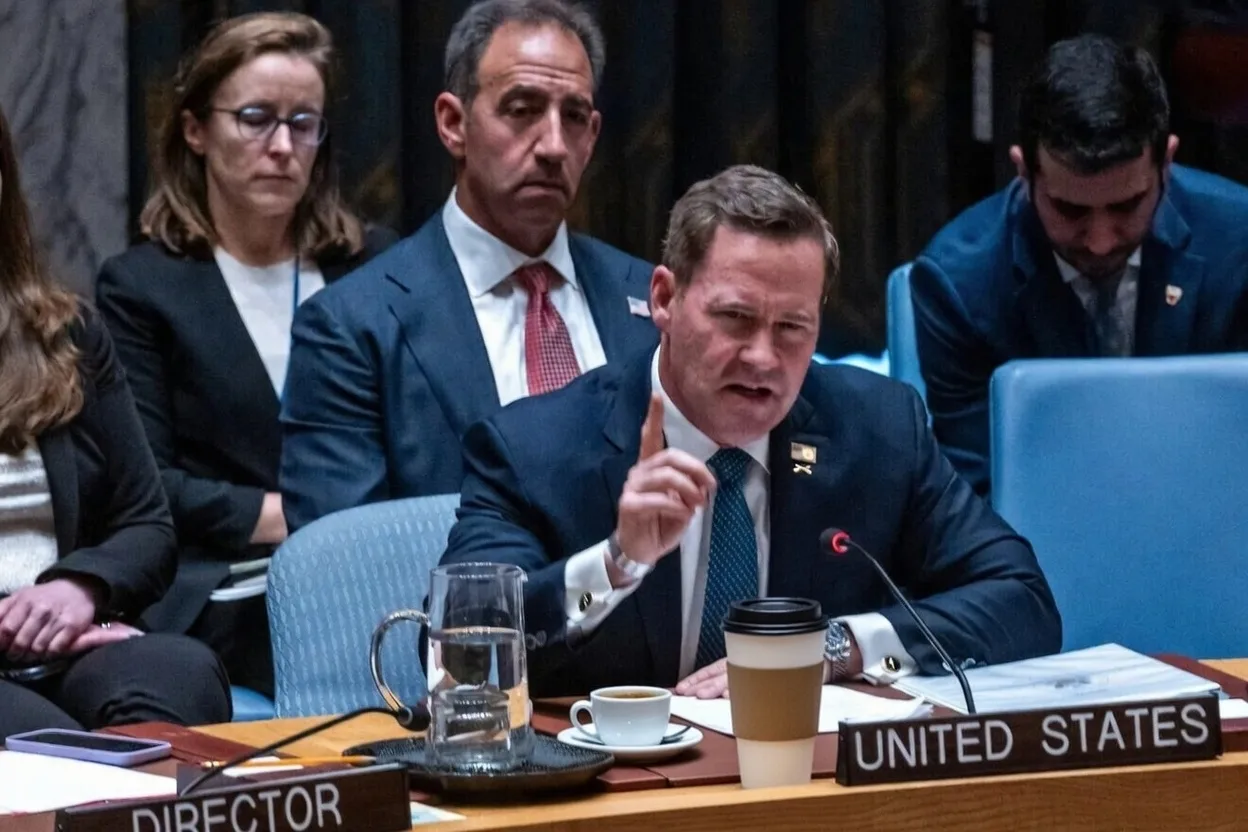
NEW YORK — Following the dizzying speed at which the current conflict turned regional on Sunday, the United Nations Security Council has officially adopted a new “Quiet Hours” policy, requesting that all major superpowers and their proxies refrain from launching ballistic missiles or conducting regime-toppling airstrikes before 10:00 AM Eastern Time.
The resolution, which passed with a rare unanimous shrug, aims to protect the mental health of UN delegates who are tired of being summoned to emergency meetings before their first espresso has properly kicked in.
“We are essentially asking for a little common courtesy,” said a spokesperson for the Secretary-General, who was reportedly seen wearing mismatched socks during a 4:00 AM briefing on the strikes in Tehran. “If you are going to systematically degrade a government’s military capabilities or assassinate a Supreme Leader, please wait until the global markets have opened and our staff has had time to read the morning briefing. Doing it at dawn is just rude.”
The policy comes after a frantic Sunday morning where Israel and the U.S. launched “Operation Lion’s Roar,” targeting missile caches and leadership compounds across 14 Iranian cities. The rapid escalation left several Gulf countries with closed airspaces and thousands of stranded travelers who were forced to experience the “miracle of flight” from the comfort of airport floor mats.
While the U.S. maintains that the operation is necessary to eliminate “imminent threats,” the UN argues that the most imminent threat is the burnout of their translation team, which has been working 24-hour shifts since the strikes began.
Critics have pointed out that the “Quiet Hours” policy is unlikely to be followed, as Iran’s retaliatory strikes on luxury hotels in Dubai and airports in Bahrain suggest the regime is more interested in “non-stop strikes” than getting a good night’s sleep.
Current indications suggest that the UN is considering a follow-up resolution that would require all missile launches to be accompanied by a 15-minute “Snooze” alert on all regional smartphone apps.
 Up next
The weekly prick
The week's best stories, in your inbox.
One email a week. No spam, unsubscribe anytime.